Miami World Cup quarterfinal between Norway and England faces extreme heat

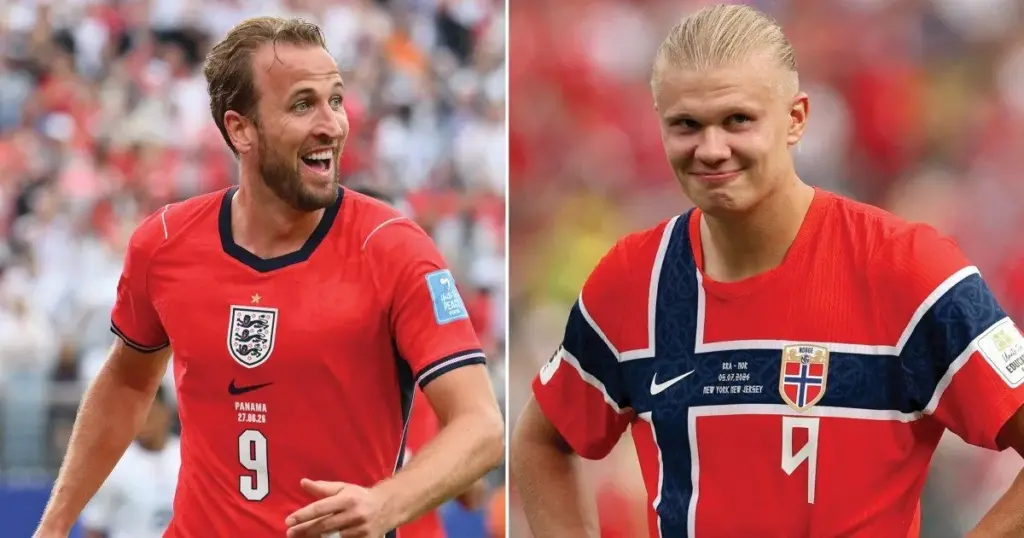
The World Cup quarterfinal match between England and Norway in Miami Gardens is set to take place amidst extreme heat conditions. A heat advisory is in effect for the area, with the heat index expected to be near 110F (43C). The temperature at 5 p.m. is forecast to be 91F (33C), with a 20 percent chance of a shower or thundershower.
This extreme heat could pose health risks for both players and fans. Reports from weather experts indicate that temperatures at many of the stadiums used in the United States, Mexico, and Canada could exceed dangerous levels. Health experts have previously warned FIFA about potential heat stress on players, advocating for enhanced protections such as longer cooling breaks and clearer protocols for delaying or postponing games under extreme conditions.
Player Health and Heat Stress
When physical exertion combines with high temperatures, the human body’s core temperature can rise rapidly. Sports scientists explain that the body acts like an engine, generating significant heat during exercise. In a hot environment, the body also absorbs heat from its surroundings, accelerating the increase in core temperature, which ideally remains around 37C (98.6F).
The primary defense mechanisms against heat include increased blood flow to the skin and sweating. Blood vessels expand, causing blood to move closer to the skin surface to dissipate heat into a cooler environment. Sweating then facilitates cooling through evaporation. However, high humidity can hinder this process, as moisture in the air prevents sweat from evaporating effectively, reducing its cooling impact.
Acclimatization periods, where teams train in conditions similar to those they will encounter, are often undertaken to prepare athletes for hot climates. This helps players adapt to the heat and improves their body’s ability to expel heat more efficiently through sweating. For instance, England based their pre-World Cup training camp in Miami, Florida, partly for this reason.
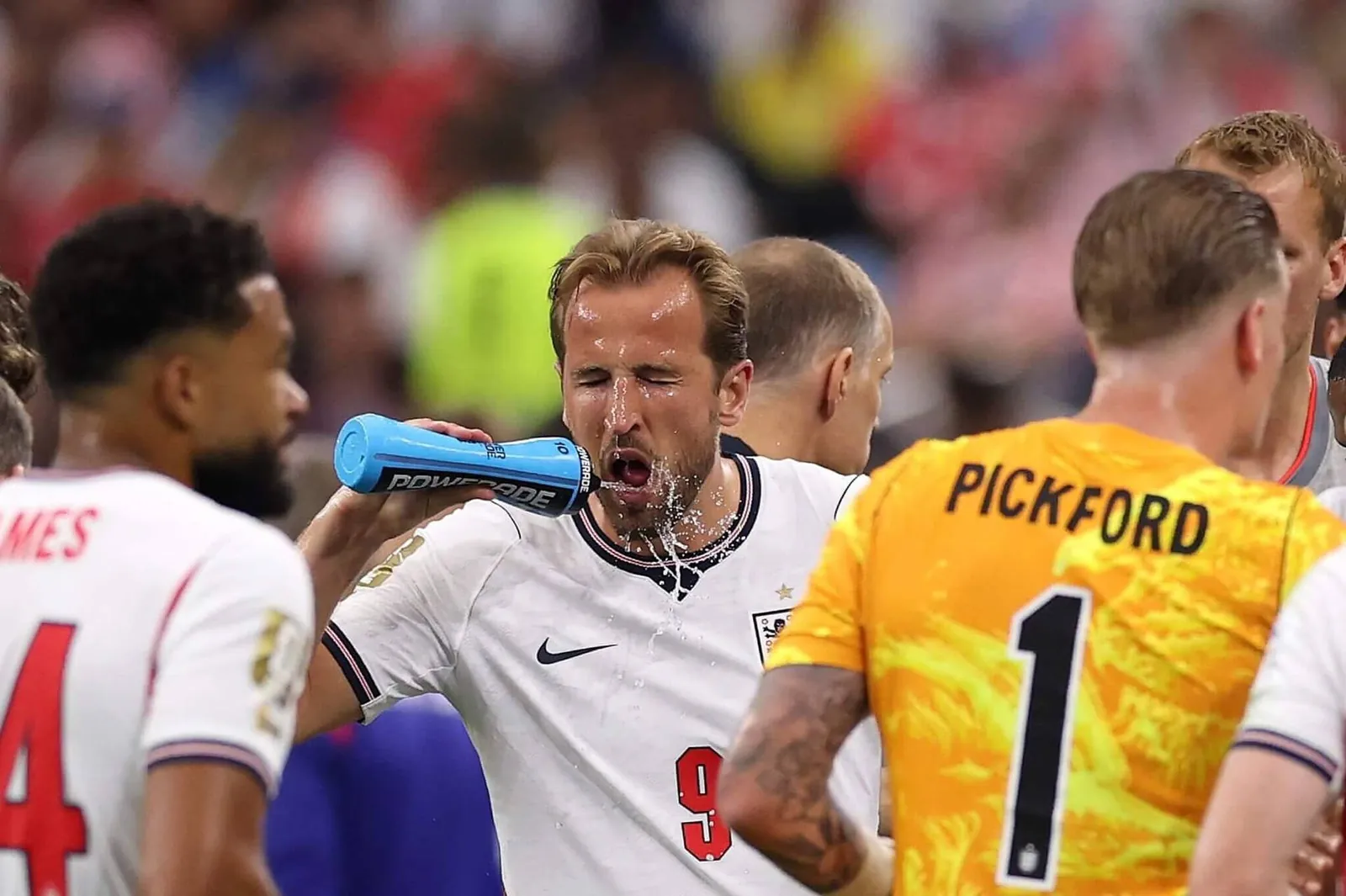
Sweating also leads to the loss of fluids and electrolytes, which are crucial for muscle contraction and maintaining fluid balance within cells. Electrolytes such as sodium and chloride are heavily lost through sweat. A player might lose several kilograms of fluid and grams of salt during a game, which can impact physical output and increase the risk of injury.
Individualized hydration strategies are often implemented by elite teams, involving sweat tests to determine specific electrolyte loss for each player. This allows for tailored replenishment plans, including specialized electrolyte drinks. During short cooling breaks, the focus is on replacing electrolytes, as fully replenishing lost liquids in a brief period is challenging.
Quarterfinal Matchup
The quarterfinal match features two prominent players: Erling Haaland for Norway and Harry Kane for England. Haaland has been a significant presence in the tournament, known for his goal-scoring ability and engaging with fans. He has scored seven goals in the tournament, one more than Kane.
England, led by Harry Kane, has also demonstrated strong performances, with Kane having scored six goals. Jordan Bellingham has also contributed significantly with four goals. England secured a 3-2 victory against Mexico, playing a man down for a substantial portion of the game. They also beat Panama 2-0 and Croatia 4-2 in the group stage.
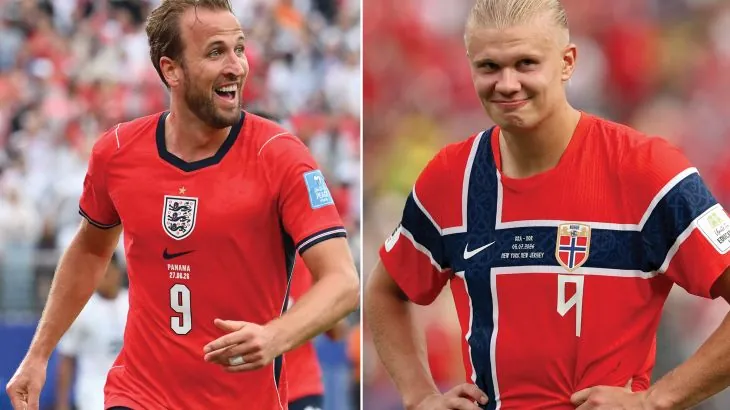
Norway advanced after defeating Ivory Coast 2-1 and securing wins against Senegal (3-2) and Iraq (4-1). Their only loss in the tournament came against France in a match where Haaland did not play. The Opta supercomputer gives England a 50.4 percent chance of winning the match within 90 minutes, based on 25,000 pre-match simulations.
The winner of the England versus Norway match will proceed to face either Argentina or Switzerland in the semifinals on July 15 at Atlanta Stadium.
Read Also
Source: nytimes.com

