Riders and association call for action as Tour de France faces extreme heat

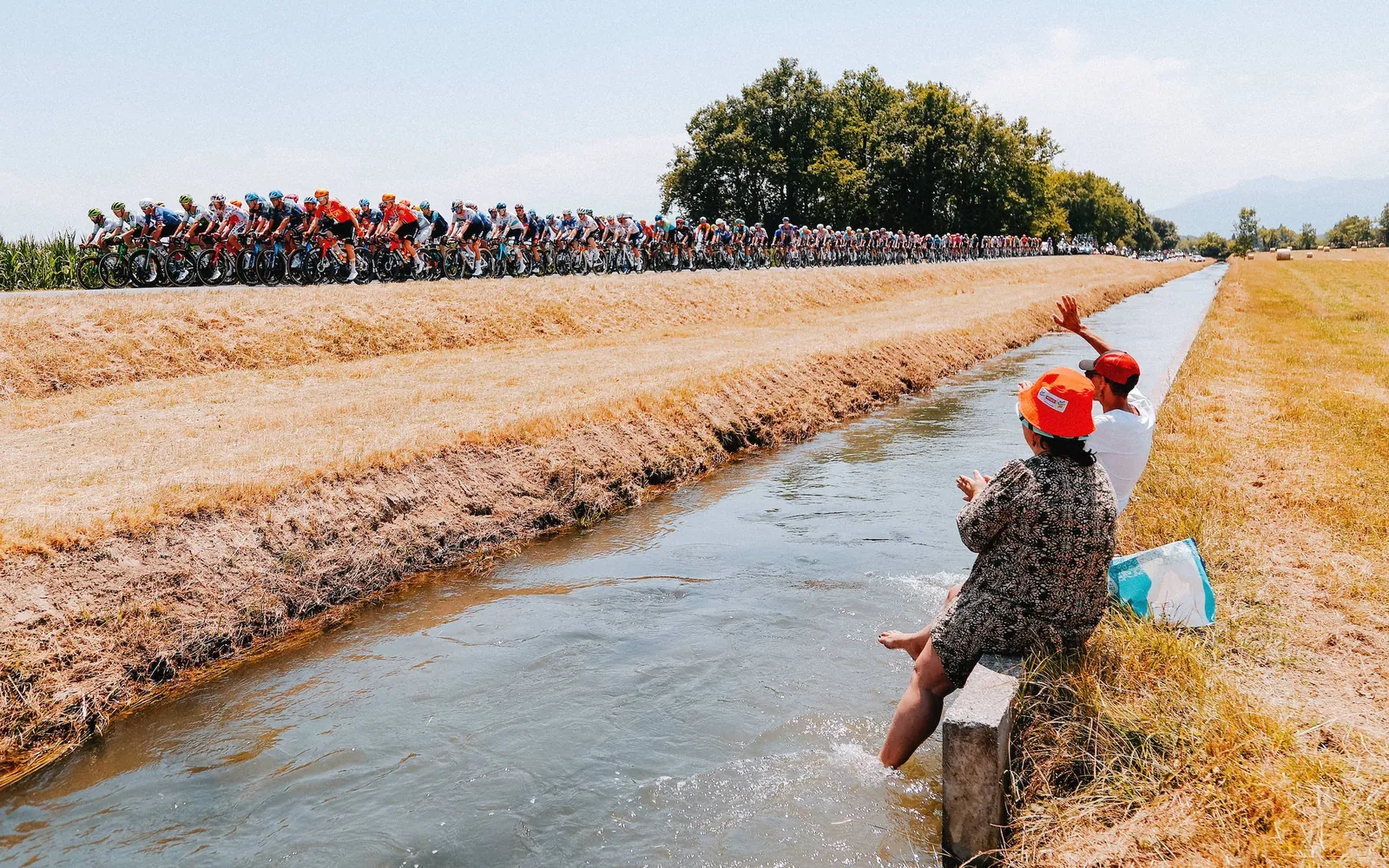
Competitors in the Tour de France are facing significant challenges due to repeated heatwaves since the race began in Barcelona on July 4. The extreme temperatures have prompted both the Professional Riders’ Association (CPA) and race leader Tadej Pogačar to advocate for substantial changes to the sport and the Tour’s scheduling.
The CPA addressed the issue on Sunday morning, emphasizing the dangerous nature of the situation. The association confirmed it had consulted with race organizer ASO and the president of the jury regarding the extreme weather protocol, leading to agreements. As a result, the time limits for riders were increased by 2% to help them manage the demanding conditions. The CPA also stated that all parties, including themselves, will convene whenever severe weather conditions pose a risk to rider health.
Looking ahead, the CPA is calling for further modifications, reiterating concerns that the current Tour time schedule is no longer safe. The organization stressed that summer race start times must evolve to safeguard athlete health, given the rising frequency of extreme heat waves. The CPA urged discussions with all stakeholders this winter to find a resolution before the 2027 season.
Tadej Pogačar, a prominent rider, has also voiced his opinion on the matter. He suggested a radical overhaul of the Tour de France and professional cycling. Speaking at the finish in Ussel, Pogačar indicated that if he had the authority, he would alter the entire racing calendar, avoiding races in hot locations during July and August. He acknowledged that such a change requires careful consideration and is not a simple decision for him to make.
One potential short-term adjustment proposed by others, and considered by Pogačar, is to start stages earlier in the day. The idea is to reduce riders’ exposure to the hottest part of the day by leveraging cooler morning temperatures. However, Pogačar noted that starting stages around 10 AM could mean they would conclude during a hotter period than the current finish times, which are typically around 5:30 PM local time. He observed that the finish area was cooler than the start on a recent stage.
An earlier start time, such as 8 AM or 9 AM, would also impose different demands on riders, requiring them to wake up earlier. Despite the challenges, Pogačar believes the body can adapt to such a schedule. The exact measures to be taken remain undecided.
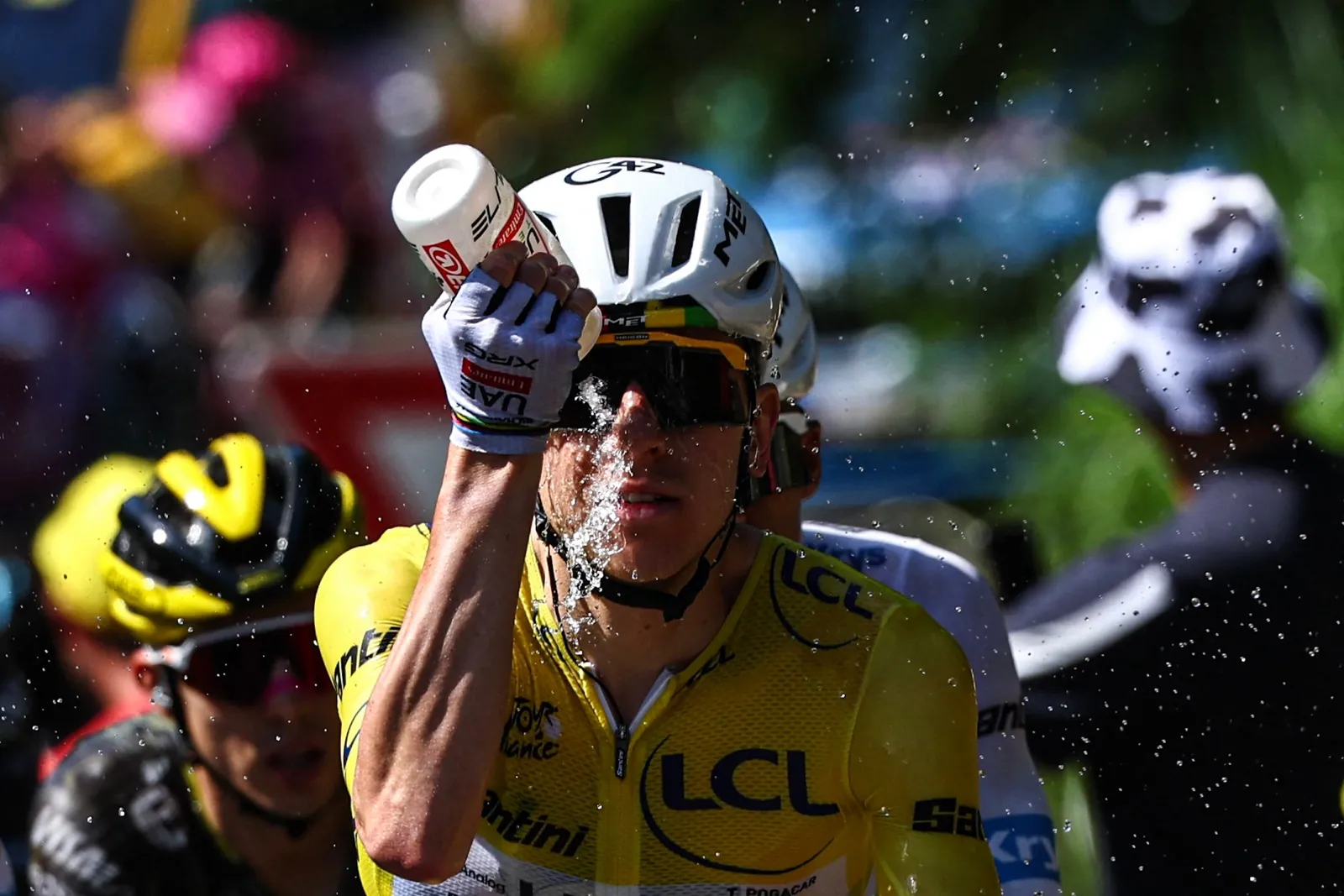
Riders are currently employing various strategies to cope with the heat. Teams are reportedly running low on water bottles due to the high volume of water consumed, sprayed, or poured over heads. For instance, EF Education-EasyPost has a dedicated vehicle for producing and transporting ice. Ineos Grenadiers utilized innovative methods to cool their riders before the opening team time trial.
The persistent heat has taken a toll on the peloton. Former rider Tony Gallopin commented that riders are becoming fatigued and worn out, noting that temperatures in support vehicles have reached 40 degrees Celsius. He suggested that such extreme conditions will likely become more frequent and need to be addressed.
Tim Merlier, a double stage winner, supported the decision to shorten Sunday’s stage by 30 kilometers. He described it as the first time in his career experiencing such prolonged heat, with temperatures consistently above 35 degrees Celsius for a week. He thanked ASO for their efforts to mitigate the conditions.
Heat has historically been a factor in the Tour de France, with high temperatures contributing to the death of Tom Simpson in 1967. This year’s race has been notably hotter than previous editions, with climate data indicating a general upward trend. Some riders have reportedly lost up to 10 pounds of body weight on stages due to dehydration.
On the first rest day, riders sought respite from the heat. Matteo Jorgenson planned to forgo his usual training ride to spend more time in air-conditioned environments. However, Tadej Pogačar’s team, UAE Team Emirates-XRG, reportedly faced issues with air conditioning at their hotel, as reported by journalist Carlos Arribas.
Despite this, UAE Team Emirates-XRG has implemented other measures, utilizing a customized Eight Sleep system to regulate sleeping temperatures. This technology costs over 3,000 per rider, amounting to more than €26,000 for the entire team. The heat presents a significant challenge for both riders and race organizers, requiring long-term planning.
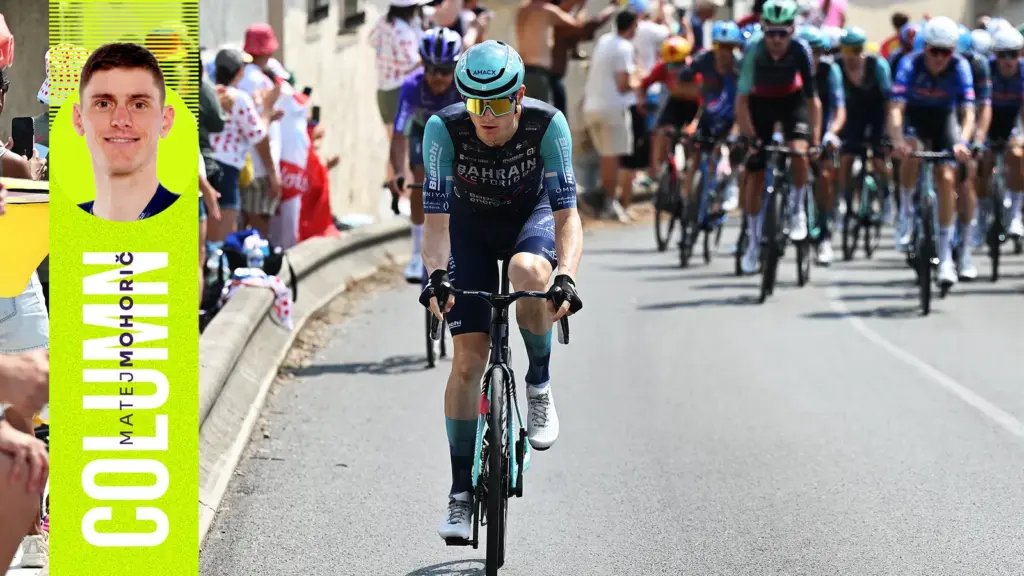
Matej Mohorič, a rider for Bahrain-Victorious, reflected on his eighth appearance at the Tour de France, noting that the extreme heat makes differences in rider performance more apparent. He described the heat as similar to altitude, where some riders adapt better than others. Temperatures measured on cycling computers have ranged between 35°C and 47°C over the past 10 days.
To combat these conditions, teams are using large quantities of bottles and ice. Mohorič starts each day with a cooling vest, two ice socks down his back, and sometimes another on his chest, along with extra ice cubes under his arm sleeves. During the race, he pours cold water over himself every 20 to 30 minutes to aid evaporation and skin cooling. He noted that when air temperature exceeds body temperature, the breeze feels like a warm hairdryer. His sports director indicated that for a four-hour stage, the team uses approximately 80 bottles of water, 40 bottles of carbohydrate drink, and between 60 and 80 ice socks.
Mohorič has raced in similar conditions before but never for such an extended period. He anticipates that the continuous effort to manage the heat will leave riders more fatigued than in previous years, despite constant monitoring of hydration status by doctors. He looks forward to opportunities in the second week, including supporting Lenny Martinez’s goal for the polka-dot jersey and aiming for a podium finish in sprint stages with Phil Bauhaus. Mohorič identifies Friday’s stage as a potential opportunity for himself, given its length and the possibility of a strong breakaway forming after two consecutive days of other riders controlling the race.
The stages over the weekend are considered more suitable for pure climbers, making it challenging to compete for stage wins, especially if the heat persists. Mohorič plans to maximize his rest day, focusing on sleep and readiness for the upcoming races.
The Tour de France began on July 4.
Read Also
- Atlanta to host World Cup semi-final as England wears white, Argentina navy blue
- Boston Red Sox complete 2026 MLB Draft class with selections from North Carolina and beyond
- Royal Birkdale prepares to host 2026 British Open Championship
- Philadelphia Phillies star Bryce Harper addresses Cameo video sent to gambler, citing lack of consent
Source: velo.outsideonline.com

