Colorado Faces Big 12 Challenges

Colorado Faces Big 12 Challenges
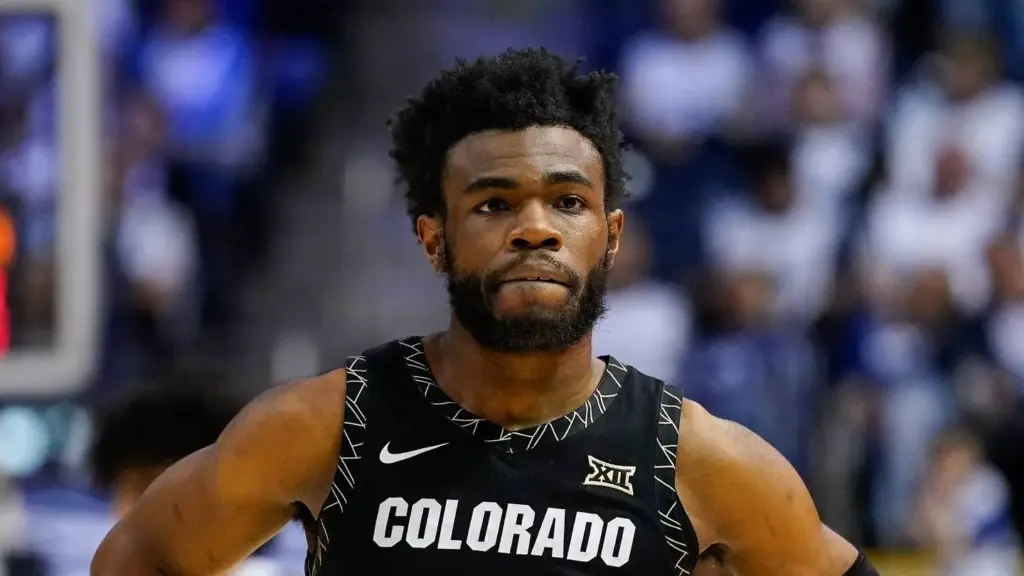
The Colorado Buffaloes men’s basketball team is entering its third year back in the Big 12 conference. The team concluded the 2025-26 season with an overall record of 17-16 and a 7-11 mark in conference play, tying for 11th place with the Arizona State Sun Devils. This performance marked an improvement from the 2024-25 season, where Colorado finished last in the league with a 3-17 Big 12 record and 14-21 overall.
For the upcoming 2026-27 season, Colorado is ranked 14th out of 16 teams in one Big 12 power ranking. Only the Kansas State Wildcats and Utah Utes were ranked below them. The Arizona Wildcats were positioned as the top team in the conference, having secured both the regular season Big 12 title and the Big 12 tournament title last season, in addition to reaching the Final Four in the NCAA Tournament.
Coach Tad Boyle is set to begin his 17th season with the Buffaloes. He has led the team to the NCAA Tournament six times during his tenure. The Buffaloes have not made an NCAA Tournament appearance in the past two years, with their last trip occurring in 2023-24 when they were still part of the Pac-12.
Colorado saw several key players depart through the transfer portal, including guard Isaiah Johnson, who moved to the Texas Longhorns; forward Sebastian Rancik, who joined the Florida State Seminoles; and forward Bangot Dak, now with the Vanderbilt Commodores. These three players were among the team’s top scorers in 2025-26. The Buffaloes’ top returning player is guard Barrington Hargress, who averaged 14.7 points, 2.2 rebounds, and 4.5 assists per game last season.
To bolster their roster, the Buffaloes brought in three forwards via the transfer portal: David Gomez from the Charlotte 49ers, Noah Feddersen from the North Dakota Bison, and Justin Neely from the UNC Greensboro Spartans. Gomez averaged 5.0 points and 3.5 rebounds per game, Feddersen averaged 9.3 points and 5.0 rebounds per game, and Neely led his previous team with 17.9 points per game.
Teams Facing Potential Setbacks
Across college basketball, various teams that achieved success in the previous season may face challenges in the upcoming 2026-27 campaign. Roster changes through the transfer portal can significantly alter a team’s outlook. Several teams that won at least 20 games in the prior season and are part of top consensus leagues are identified as potential candidates to experience a decline in performance.
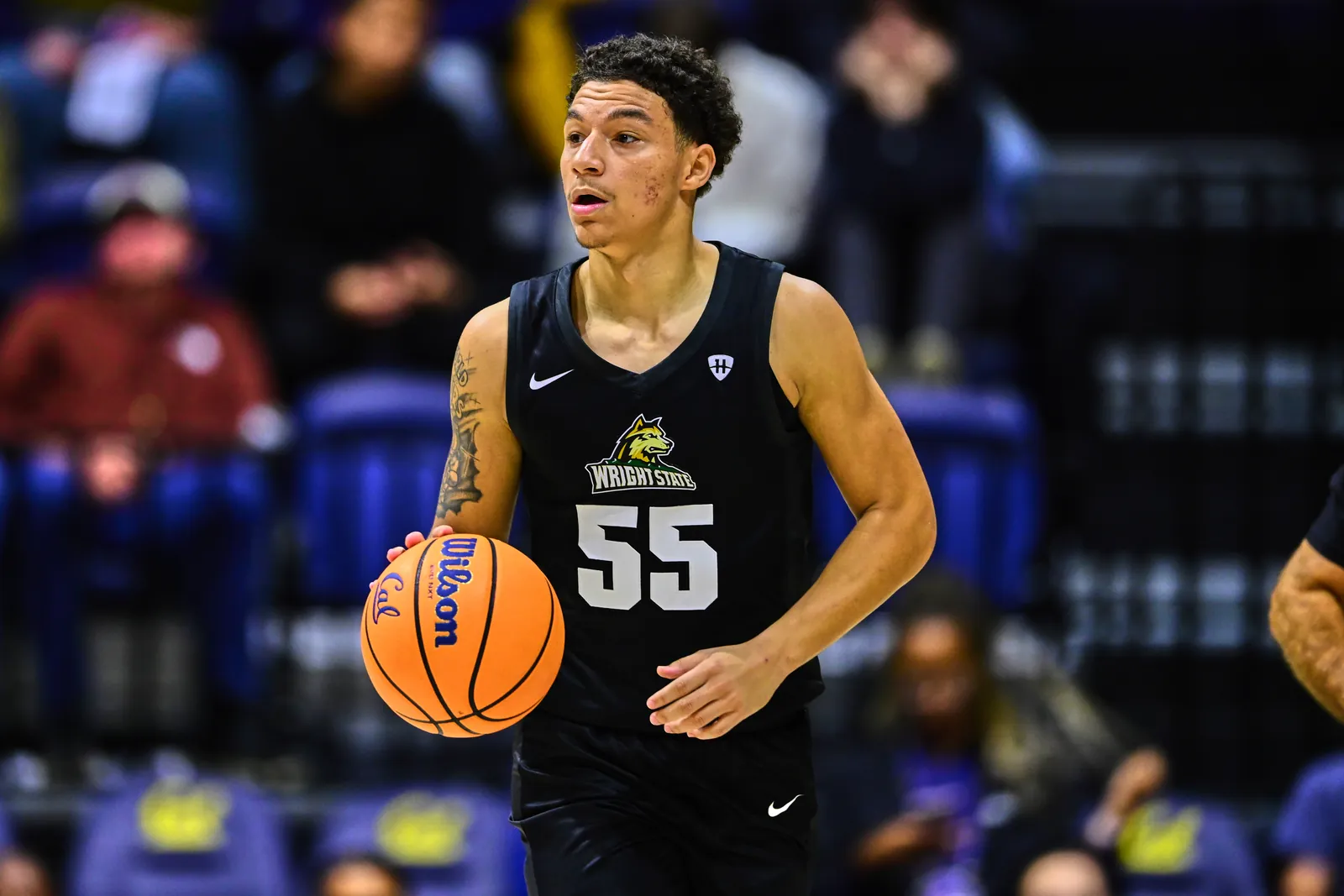
The California Bears, who had a 2025-26 record of 22-12 (9-9 ACC), are among these teams. Four players who averaged 13.8 or more points per game have departed, leaving their incoming transfer class with potential gaps. Guard Michael Cooper, who averaged 13.4 points at Wright State, is expected to be a primary scoring option. Coach Mark Madsen has generally performed well at Cal, but the team could see a drop in the ACC standings.
The UCF Knights, with a 2025-26 record of 21-12 (9-9 Big 12) and an NCAA Tournament appearance, have lost all four of their double-digit scorers. Guard Dior Johnson, who played at Tarleton State, is a projected key player. However, questions remain about the team’s postseason potential if Johnson is their leading scorer.
The Stanford Cardinal (20-13 overall, 9-9 ACC in 2025-26) suffered a significant loss with the departure of guard Ebuka Okorie, who averaged 23.2 points per game. While they acquired guard Christian Bliss from Delaware, who averaged 16.7 points and 5.9 assists per game, the rest of the roster has limited proven production. The team’s academic requirements can also complicate recruiting efforts.
The Wisconsin Badgers, who finished 2025-26 with a 24-11 record (14-6 Big Ten), lost guards Nick Boyd and John Blackwell, representing a combined 40 points per game. Despite the return of forwards Nolan Winter and Austin Rapp, concerns exist regarding the backcourt and the absence of a proven lead guard at the Big Ten level.
Saint Mary’s Gaels (27-6 overall, 16-2 WCC in 2025-26) experienced a major change with coach Randy Bennett’s departure to Arizona State after 25 years. This led to several player transfers, including forward Paulius Murauskas, who averaged 18.4 points and 7.6 rebounds per game. The team may find itself closer to the middle of the WCC standings.
The Tulsa Golden Hurricanes were a surprise in 2025-26 with a 30-8 record (13-5 American). All four of their double-digit scorers are gone, making it difficult to replicate their previous success, although their transfer class was solid. The SMU Mustangs (20-14 overall, 8-10 ACC in 2025-26) also lost all five of their double-digit scorers. Guard Rowan Brumbaugh from Tulane, who averaged 19.2 points per game, is a key addition, but his adaptation to the ACC will be crucial.
The Ohio State Buckeyes (21-13 overall, 12-8 Big Ten in 2025-26) possess talent, including multiple double-digit scorers and two top-30 incoming freshmen. However, the loss of guard Bruce Thornton, a four-year starter and the program’s all-time leading scorer with 20 points per game, could significantly impact the team. The Utah State Aggies (29-7 overall, 15-5 Mountain West in 2025-26) are in a similar position to Saint Mary’s, having lost their head coach. While guard Mason Falslev, who averaged 16 points per game, returns, the move to the Pac-12 and scheduled games against Gonzaga present new challenges.
Finally, the Purdue Boilermakers (30-9 overall, 13-7 Big Ten in 2025-26) face a potential step back despite coach Matt Painter’s history of replacing star players. The team lost guard Braden Smith, an All-American and Big Ten Player of the Year, along with all four double-digit scorers, and added only one player via the transfer portal.
Read Also
Source: hoopshq.com

