World Cup 2026: A Review of the Host Nation’s Performance

Host City Performance and Fan Experience
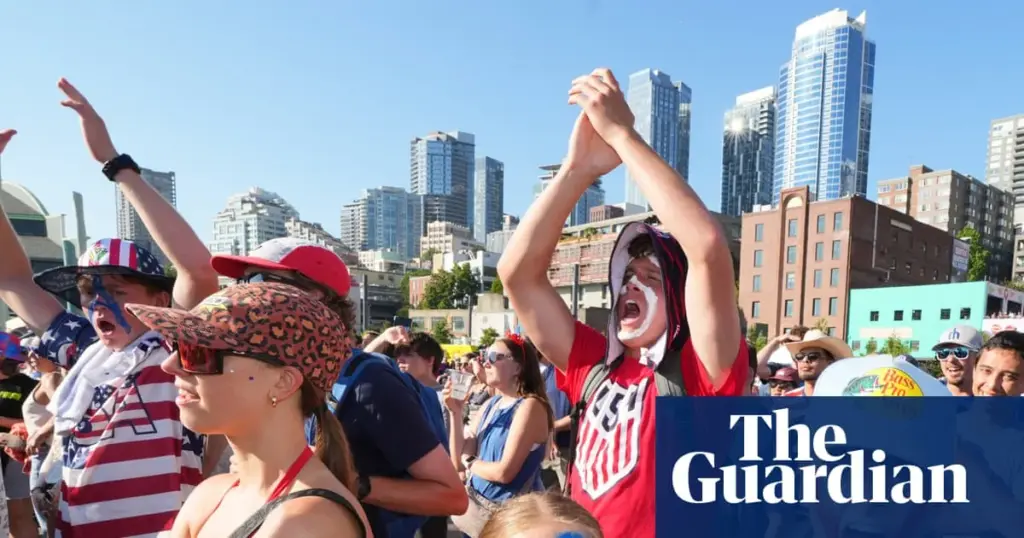
The 2026 World Cup, largely hosted by the United States with matches across cities, is nearing its conclusion. While the tournament featured thrilling football and viral fan moments, some aspects of the hosting have drawn criticism. The atmosphere in cities beyond the grounds varied significantly, with some locations excelling in creating a vibrant environment.
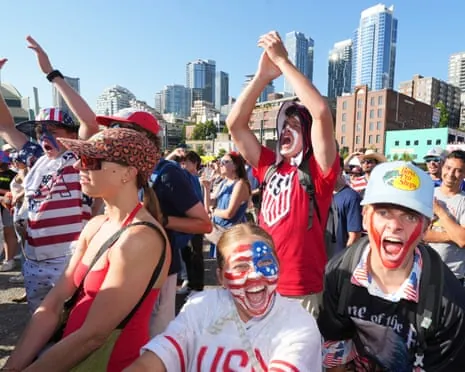
Cities such as Seattle, Philadelphia, and Kansas City were noted for fostering organic and sustainable soccer atmospheres. These cities provided accessible public watch parties, prominent signage, and a constant buzz of excitement. Other areas, including Boston and the Bay Area, also embraced the temporary influx of visitors, offering opportunities for locals to engage between matchdays.
However, some host cities struggled to harness the tournament’s potential, particularly those where stadiums were not centrally located. Reports from Dallas and Houston in Texas indicated a more detached experience, with many residents reportedly unaware of the scale of the event. The general sentiment among international visitors, however, was often positive, with many finding the United States and its people more charming than anticipated.
Affordability and Accessibility Concerns
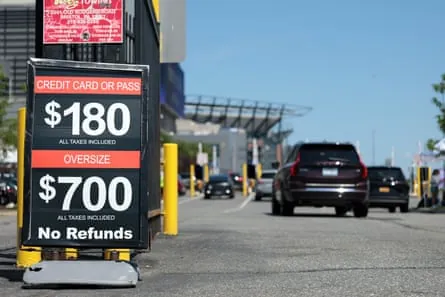
A significant point of contention for the 2026 World Cup has been its affordability. Ticket prices were considerably higher than expected, making the event largely inaccessible for many fans globally. This pricing strategy, which FIFA acknowledged as a unique opportunity for revenue generation, set a precedent that other stakeholders, including transport providers, food and beverage vendors, and parking operators, followed.
The cost of attending matches extended beyond tickets, with high prices for parking, food, and other amenities. Even for those with tickets, the overall expense was substantial. This approach has been described as an unapologetic move that impacted soccer fans, and it is unlikely to be sustainable for future tournaments on other continents.
Transport was another area that received mixed reviews. While some cities enhanced their public transportation, others implemented initiatives that added to fans’ expenses. Long delays in reaching and departing venues were common, contributing to the overall cost and inconvenience for attendees.
Hospitality and Political Influences
The hospitality aspect of the tournament presented a dichotomy. On one hand, there were touching displays of community spirit, with fans from diverse backgrounds interacting before and after matches. FIFA volunteers were consistently helpful and welcoming, contributing to a positive experience for many.
On the other hand, certain fans faced significant barriers to entry due to Trump administration decisions. This policy impacted general fans from banned nations, as well as referees and team staffers. The rationale behind these rejections was considered flimsy, yet FIFA upheld the policies. This situation raised questions about how different the support could have been for nations like Côte d’Ivoire, Haiti, Iran, and Senegal if the accessibility of the 1994 World Cup had been replicated.
The tournament also saw political interventions, such as the direct involvement of President Trump in pressuring FIFA to overturn US men’s team striker Folarin Balogun’s red card ban before a knockout match against Belgium. This move, along with the ongoing conflict affecting Iran’s team, highlighted how political decisions impacted the sporting integrity and fairness of the competition.
Despite these challenges, the expanded format was considered moderately successful, helping to fill stadiums even for less-marketable group stage matches. Newcomers like Uzbekistan, Jordan, and Curaçao brought fresh flair, with Cape Verde delivering remarkable performances. The diversity of the US population also played a role in filling stadiums, with large diasporas ensuring support for various teams.
The 2026 World Cup will conclude with the third-place game in Miami and the final match in East Rutherford, New Jersey.
Read Also
Source: theguardian.com

